Our Training Department will contact within 24 hrs.
2000+
Trainees trained
10+ Years
Training experience
500+
Consulting partners
1,950+
Five-star Google reviews
16 Hrs specialist training
Course overview
Freight Broker Specialist Training Course (16 Hrs)
Freight brokers never touch a truck, yet they keep North America’s freight moving. A shipper hands you a load, you find a safe, reliable carrier to haul it, and you keep the difference between the two rates. This freight broker training course shows you how to run that cycle from start to finish in 16 hours: winning shippers, quoting lanes, vetting carriers, negotiating both sides, sending the rate confirmation, tracking the load and getting paid.
It is built for people who want to become a freight broker, whether that means joining a brokerage as a freight agent or opening your own. You practise on a live LoadLink load board and real brokerage and TMS software, and you learn what it takes to get broker authority, a surety bond and the right insurance in the USA and Canada. When you are ready to launch, our consultancy team can file your freight broker permit and bond for you.
Live load board, quoting and carrier-vetting practice
Broker authority, bond and contracts explained
Shipper sales and rate-negotiation role-plays
Help filing your brokerage permit and bond
Course details & schedule
Choose your course and start date
4 Course Options Every Month
All options cover the same 16-hour curriculum and full software practical.
Toronto 55 Village Centre Place, Mississauga ON L4Z 1V9
Los Angeles 1055 West 7th Street, 33rd Floor, Los Angeles CA 90017
Who is the course for
Freight Broker Agent
Work as a Freight Broker Agent or Carrier Sales Representative for an established brokerage or 3PL.
Freight Brokerage Entrepreneur
Open your own freight brokerage, with our consultancy filing your broker authority, BOC-3 and bond.
Trucking Company Owner
Add a freight brokerage division to your trucking company and broker extra loads to other carriers.
Logistics & Sales Professional
Join an importer, warehouse or manufacturer as a Logistics Coordinator, Sales Professional or Account Manager.
The broker business model
How a Freight Broker Makes Money on Every Load
A freight broker earns the margin between what the shipper pays to move a load and what the broker pays the carrier to haul it. The broker owns no trucks, so the business runs on relationships, fast quoting and careful carrier selection. Here is a simple example of one dry-van load from Toronto to Chicago:
$2,500 The shipper pays your brokerage to move the load
$2,100 You book a vetted carrier and pay them for the haul
$400 Your gross margin on the load, about 16%
× loads Repeat it across your shippers' weekly lanes
Those figures are for illustration; real rates move with the lane, season, equipment and fuel. The skill is in pricing a quote the shipper accepts while leaving room to pay a carrier fairly, and that is what the course drills: freight cost calculations, reading load-board rates, and negotiating on both sides of the deal. Our trainers walk you through real quotes in class, LIVE online or in our Toronto and Los Angeles classrooms.
Two sides of the same load
Understanding the Critical Roles
Every load has a shipper, a broker and a carrier — we train you to manage all three relationships and to work hand in hand with truck dispatchers.
What does a Freight Broker do?
A freight broker (or load broker) connects shippers, importers and exporters with carriers of every size to cover their lanes. The broker quotes the shipper, finds and books a qualified carrier, negotiates the rate and earns the margin between the two — without owning a single truck.
Every booking creates paperwork the broker owns: the shipper quote, the carrier packet, the rate confirmation, the bill of lading and the proof of delivery. Getting each one right is what protects your margin and your reputation.
How brokers work with Truck Dispatchers
On the other side of every booking is a truck dispatcher looking for profitable loads for their carrier. Brokers who understand how dispatchers plan routes, hours of service and rates negotiate faster, build loyal carrier networks and cover loads that others can’t.
Many trucking companies also run a brokerage division — so this course shows how carriers and brokers succeed together, and how a trucking company can grow by brokering loads.
Getting licensed
Freight Broker Licence, Authority & Bond: USA and Canada
What you need before you can broker your first load, and what the course covers.
Brokering freight in the USA
To arrange interstate loads as your own brokerage, you register with the FMCSA for broker operating authority (an MC number), name a process agent in every state (form BOC-3), and file a $75,000 surety bond or trust (form BMC-84 or BMC-85). Most shippers will also ask for contingent cargo and general liability insurance.
Working as a freight agent under an existing brokerage’s authority lets you start brokering without your own bond.
Brokering freight in Canada
Canada has no single national freight broker licence, and requirements depend on the province you operate in. Shippers and carriers still expect a properly registered business, written broker–carrier and broker–shipper agreements, insurance, and a clear process for paying carriers on time.
For cross-border freight, you also need to understand ACE and ACI eManifests, customs brokers and bonded shipments, which the course covers on Day 4.
Brokerage setup service
We set up your freight brokerage for you
Already trained, or starting a brokerage division in your trucking company? MAZE Consultancy handles the permits, bond and registrations so you can start booking loads.
What we file and arrange
FMCSA broker authority (MC number) and USDOT number
BOC-3 process agent filing
$75,000 BMC-84 surety bond
UCR registration
Canadian business setup and provincial requirements
Trainees who set up their brokerage with us get guidance from the same team that teaches the course.
Our flagship course
Learn Trucking, Dispatching and Freight Brokerage in one course
Brokers who understand how carriers and dispatchers work negotiate better rates and build stronger carrier relationships. Our full Truck Dispatcher & Freight Broker Specialist course covers the whole Trucking and Freight Brokerage operation in 16 hours: how trucking companies run, dispatching trucks and drivers, finding and booking loads, negotiating rates, and operating your own Freight Brokerage company.
16 hours 4 software packages New batches every month LIVE online or classroom
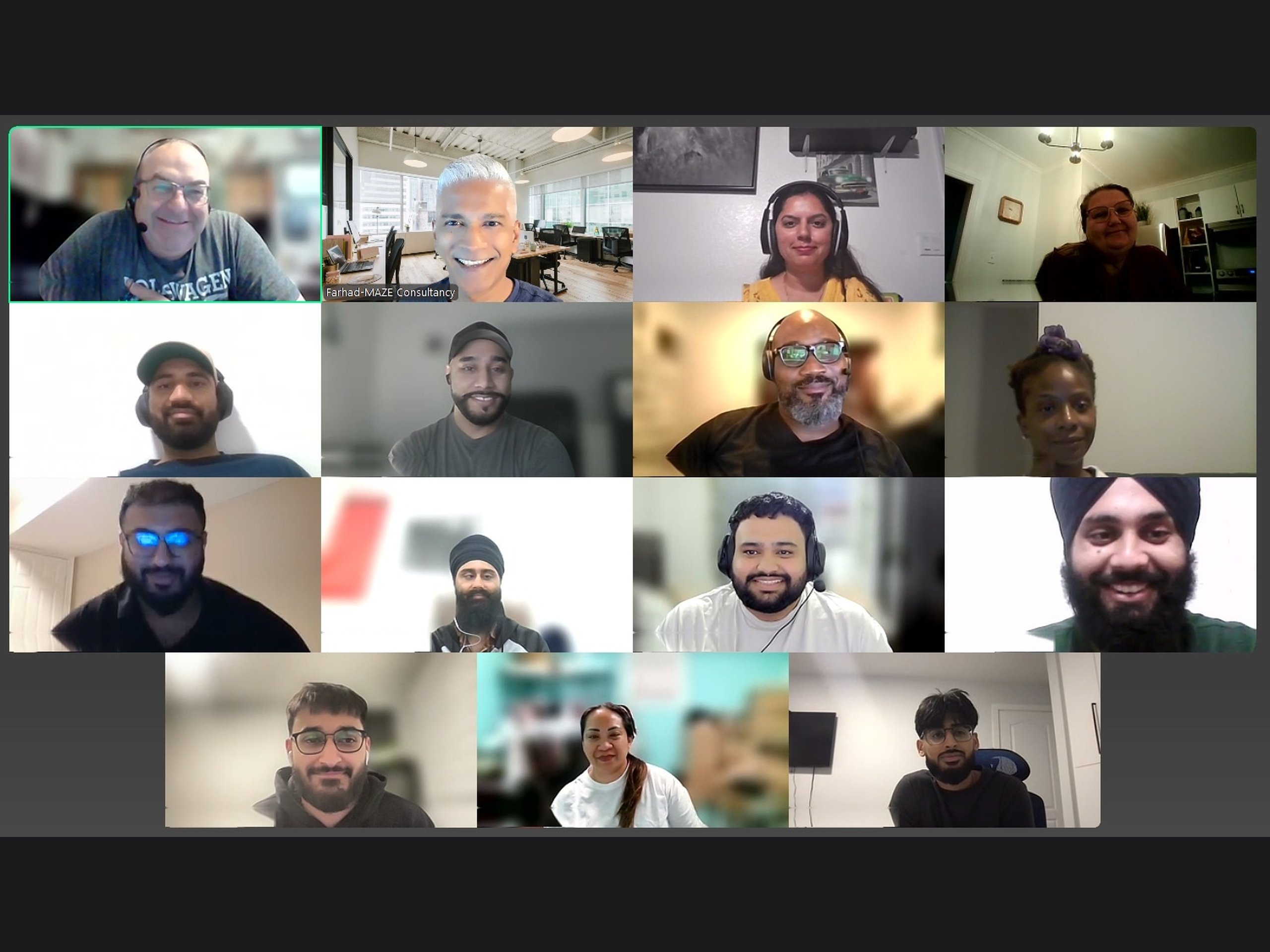
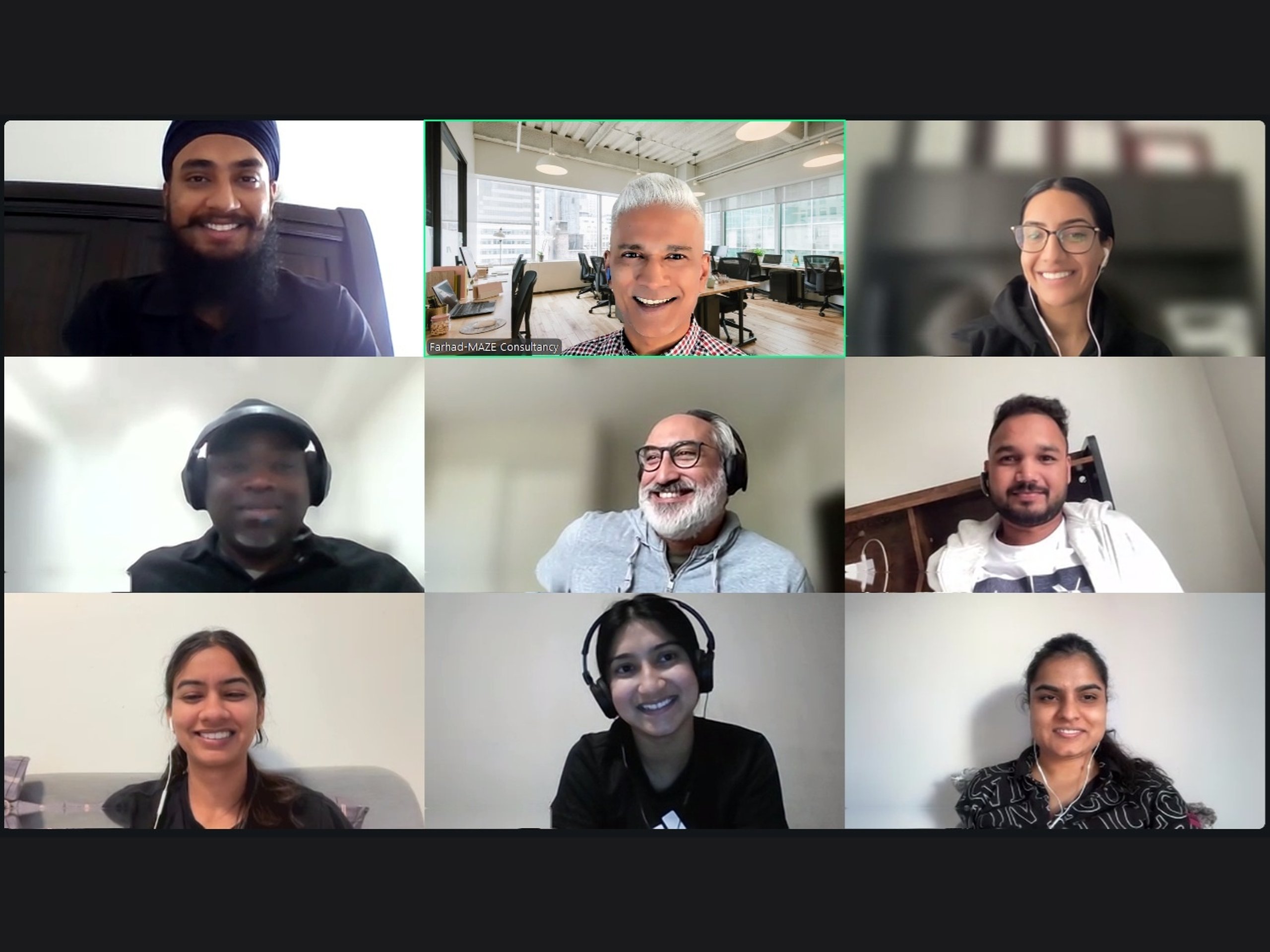
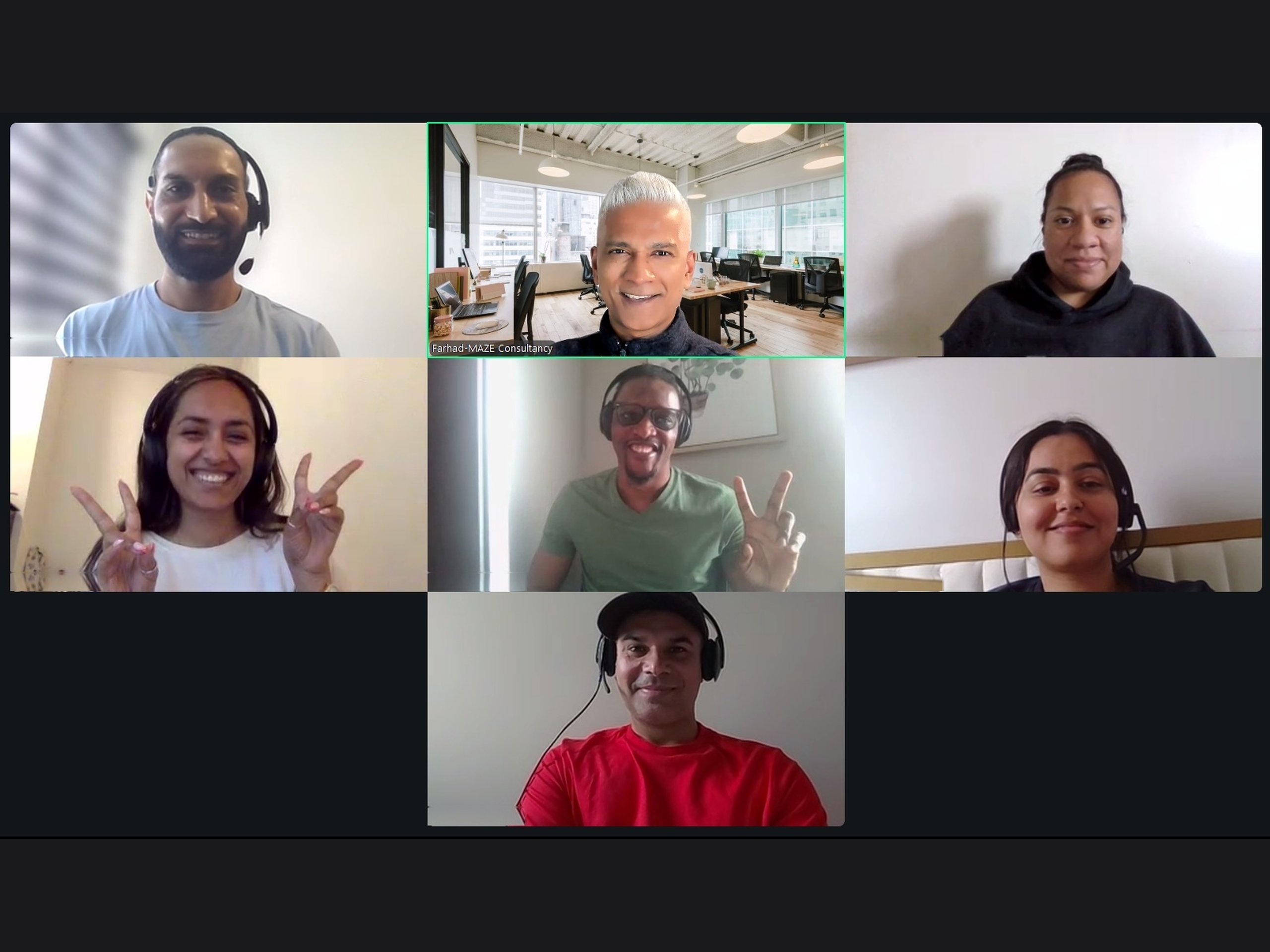
I would like to thank Maze Consultancy and especially Farhad for providing a great learning experience. Farhad did an excellent job teaching the Truck Dispatcher and Freight Broker Specialist course. He was knowledgeable, helpful, and made the material easy to understand. I truly appreciate everything I learned and highly recommend Maze Consultancy to anyone looking to get into the logistics industry!
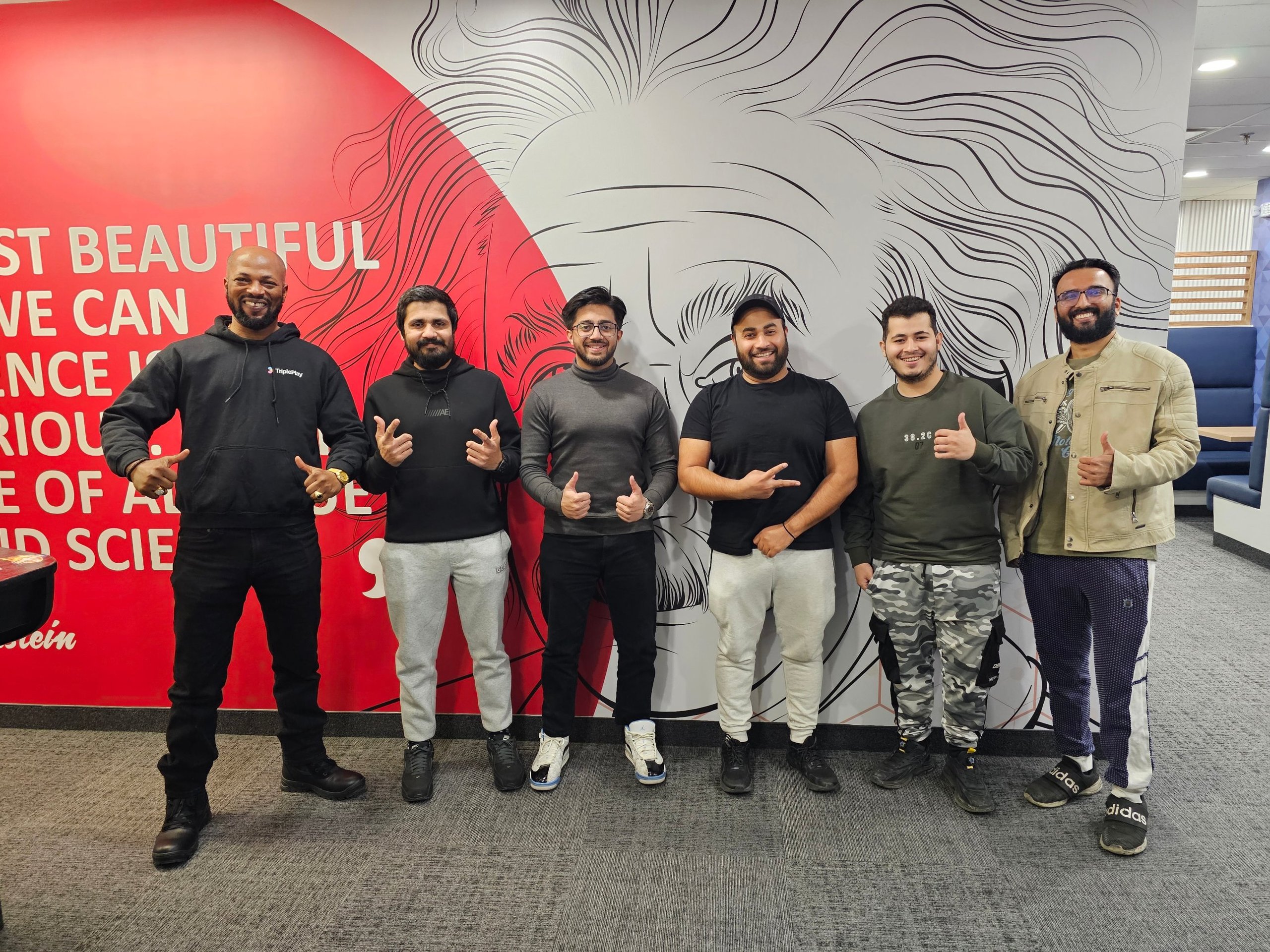
I had a positive training experience. My first step into a completely new career. Farhad a knowledgeable teacher years of experience. Patient, understands his students well. Non judgmental because we all come from different backgrounds. I took Maze two day training course Truck Dispatch and Freight Brokerage and aiming towards dispatch. The weekend of Oct. 31st and Nov. 1st. 2026, we engaged with Farhad and each other. I have full trust in Maze.
Hi everyone, I would like to share my personal experience with Maze Consultancy.
Overall, the classes were good, and Farhad taught well. The training, notes, and resume assistance were helpful.
However, my main reason for joining was the interview preparation support discussed during enrollment. When I received a job opportunity and contacted them for preparation, I was simply advised to follow the existing notes. In my personal experience, I received no actual interview preparation support and they did 0 which was disappointing.
As a fresher, finding a job is already challenging due to the lack of experience. I’m sharing this feedback not to criticize anyone, but to encourage clear communication about the support students can expect after completing the course.
After exploring various dispatch training consultancies and reading the reviews. I decided to choose Maze consultancy, and it turned out to be the best choice. I completed my truck dispatch and freight brokerage specialist certification with Farhad, who is a highly motivated, helpful, and positive mentor. He answered all my questions thoroughly and clarified all my doubts. He explained the software clearly, guided us through practice, and took us through the software's functionalities. Now, I feel confident that I am prepared to start dispatching. I highly recommend Maze Consultancy.
Farhad’s excellent energy is the first thing that stands out. I recently completed my Dispatcher and Freight Broker course at Maze Consultancy, and he made the learning experience very positive and motivating.
He has great knowledge, strong skills, and a very positive attitude. His teaching style is clear, practical, and easy to understand. I really appreciated his patience, confidence, and the way he encourages his students.
I learned a lot from this course and would highly recommend Maze Consultancy and Farhad to anyone interested in the trucking and freight industry. ⭐⭐⭐⭐⭐
I completed this training course. The Trainer Farhad kept a fun and instructive atmosphere. He was always checking to ensure understanding before moving onto another topic. I don't know if I am yet prepared to start and take on all the responsibilities of a dispatcher successfully but I'd sure like to find out. Thanks for your time and effort with training of this material.
Honestly, Farhad was exceptional! i could not have had a better trainer - enthusiastic, charismatic, straight forward, takes time to answer questions, explains what is not understood and very strict in a good way. He keeps you on your toes and encourages positivity for your future. Choose maze consultancy and you wont be disappointed.
I had an outstanding experience with MAZE Consultancy & Training. From the initial registration process through the completion of the course, everything was handled with professionalism, efficiency, and genuine care.
I would like to express my sincere appreciation to Farhad for his exceptional instruction, patience, and extensive industry knowledge. His ability to explain complex topics in a clear, practical, and engaging manner made the training both valuable and enjoyable. He created a supportive learning environment, encouraged questions, and ensured that each participant could follow the material with confidence.
I would also like to personally thank Sonia for her courteous, prompt, and professional communication throughout the registration and coordination process. Her assistance and attention to detail were greatly appreciated.
My sincere thanks to Farhad, Sonia, and the entire MAZE Consultancy & Training team for providing such a well-organized and meaningful learning experience. I highly recommend MAZE to anyone seeking professional, practical, and career-focused training in the transportation and logistics industry.
I recently completed the training at MAZE Consultancy, and I'm very satisfied with the experience. The instructor explained every topic clearly and shared practical knowledge with real-world examples. The sessions were interactive, and I gained valuable skills and confidence. I highly recommend this training to anyone looking to start a career in dispatching or logistics. Thank you so much Farhad.
I Had a great experience with maze consultancy. Farhad is an excellent instructor - very energy, motivation, and supportive throughout the learning process.
He explains concept very clearly and keep the session engaging. I learned a lot and would definitely recommend Maze Consultancy to anyone looking for quality guidance and training.
I had an amazing experience learning from Farhad during the Truck Dispatcher and Freight Broker course. His teaching style is clear, practical, and incredibly engaging. He breaks down complex industry concepts into simple, real world examples that make everything easy to understand, even for beginners.
What truly sets Farhad apart is his patience, professionalism, and genuine passion for helping his students succeed. He creates a comfortable learning environment where you can ask questions freely and gain confidence in your skills. Every session was insightful, well structured, and packed with valuable knowledge I can apply immediately in the logistics and dispatch field.
If you’re looking to build a strong foundation in dispatching or freight brokering, Farhad is absolutely the trainer you want.
I recently completed my Dispatcher Course with Maze Consultancy, and it exceeded my expectations in every way. A special thanks to Farhad for his outstanding guidance—his teaching style is clear, practical, and truly focused on real-world success.
What sets this course apart is the hands-on approach. Instead of just theory, Farhad shared real industry scenarios, tips, and strategies that you can actually apply in the field. He was always patient, supportive, and ready to help, which made the learning experience smooth and enjoyable.
This course has significantly boosted my confidence and given me the skills I need to step into the logistics industry with clarity. I highly recommend Maze Consultancy—especially Farhad—to anyone serious about building a successful career in dispatching.
I had an excellent experience with The Maze Consultancy. From the beginning, the team was professional, supportive, and truly dedicated to helping their clients succeed. They provide clear guidance, practical knowledge, and genuine encouragement throughout the process.
A special thank you to Trainer Farhad, who was outstanding. His teaching style is clear, engaging, and full of real-world experience. He explains complex topics in a simple way, is always patient with questions, and makes sure everyone understands before moving forward. His passion for teaching and helping others really stands out.
If you are looking for a trustworthy consultancy with top-quality training, I highly recommend The Maze Consultancy and Trainer Farhad. A truly 5-star experience!
I had the pleasure of training with Farhad at Maze Consultancy, and I can confidently say he is a fantastic coach and mentor. His deep knowledge of the trucking and logistics industry, combined with his clear teaching style, makes him an excellent guide for anyone looking to become a dispatcher, freight broker, or even start their own trucking company. Farhad not only shares practical strategies but also provides valuable insights from real-world experience, making the training both engaging and highly effective. I would strongly recommend him to anyone who wants to build a strong foundation and succeed in this field.
Truck dispatcher and freight brokers training - Amazing course! You’ll get more value than its price. The content CANNOT BE FOUND FREE ONLINE. You can find definitions of terms and concepts online, but in the training, you’ll get real-life examples hands-on experience and an explanation of the bigger picture of the dynamics between stakeholders in the market. Amazing course and highly recommended for all in trucking and delivery business.
Farhad is an amazing seasoned professional trainer, he has phenomenal experience and rather top-notch skills in conducting the course. I spent two long days in training over the weekend, and I enjoyed every minute of it. I highly recommend it.
I completed the Dispatch and Freight Brokerage program at Maze Consulting, and I must say Fahad did an excellent job. Coming from a logistics background, I found the way he explained the concepts to be clear, practical, and very effective. His teaching style made the learning experience truly worthwhile. I highly recommend this program to anyone looking to build or enhance their career in logistics and freight brokerage.
Farhad is an excellent instructor who explains concepts clearly and gives very helpful advice. I really appreciate the effort he puts into every class. Thanks for making it really easy. I learned a lot and enjoyed the learning process
It was an amazing experience learning the trucking and dispatching course from Maze Consultancy. Farhad is a fabulous teacher who makes the online classes also very energetic and interactive. He was able to clear all our doubts, very patiently. I would highly recommend to join Maze consultancy if you need to gain knowledge in this field. Best teacher ever.
The instructor Farhad is very knowledgeable and helpful with your questions and explain to let you understand the topic. He is really a motivated and very experienced. Really a Good course !
I recently completed dispatch and freight brokerage training with Maze Consultancy, and I couldn’t be more satisfied with the experience. The training was well-structured, practical, and directly aligned with the real-world challenges of the logistics industry. A special thanks goes to Farhad, who played a key role in my learning journey. His guidance was thorough, patient, and incredibly insightful.
I highly recommend truck dispatcher and freight broker course it’s was a great experience with the best teacher Mr, Farhad.Very informative and helpful.
I recently completed the Dispatch Course at Maze Consultancy, and I must say it was an absolutely fantastic experience! The course was well-structured, practical, and full of valuable insights into the trucking and logistics industry.
A special shoutout to Farhad Sir, whose teaching style is both engaging and incredibly informative. He made complex topics easy to understand and always took the time to answer our questions with patience and clarity. His real-world experience and passion for the industry truly shine through in every session.
I feel confident and well-prepared to step into the dispatching field thanks to this training. Highly recommend Maze Consultancy to anyone looking to build a strong foundation in logistics and dispatching. Thank you again, Farhad Sir and the Maze team 😁
I had the pleasure of taking a class with Farhad, and it was hands down one of the best learning experiences I've had! His energy and enthusiasm made the session not only informative but also incredibly enjoyable. Farhad has a unique way of keeping things engaging while ensuring you grasp every detail. His teaching style is both dynamic and motivating, making it easy to stay focused and excited throughout. Highly recommend him for anyone looking to learn in an energetic, fun, and effective environment!
I highly recommend to go with MAZE Consultancy& Training. Farhad it was a great session I learned a lot from you. Your knowledge and experience was great. :)
excellent mentroship provider by Mr. Farhad. anyone looking to grow area of their expertise into transporation and related services than i highly recommend MAZE and credit goes to Mr. Farhad
Farhad Sir teaching skills are too good and sense of humor is awesome. Have deep knowledge about logistics like dispatch, freight brokerage, customs, border and many more....i like energy of sir, the gave speech or teach lessons with examples...
It was an amazing experience of learning this course. Farhad is amazing teacher with full knowledge of this industry. He was able to clear all our doubts, very patient. We learn many software which we can use in our daily life as a dispatcher or broker. I would highly recommend to join maze consultancy if you need to gain knowledge about any of this field.
I recently completed the Trucking Dispatcher and freight brokerage specialist course with Maze Consultancy, and I have to say, it was a great experience from start to finish. Our instructor Farhad was very knowledgeable, supportive, and really took the time to explain every aspect of the dispatching process clearly
I had an awesome experience in the Maze class. The teacher Farhad, is very knowledgeable, supportive, and explained everything clearly. I felt encouraged throughout and learned a lot in a short time. Highly recommend to anyone looking to understand dispatching better! Thank you 😊✨
4.9
Based on 1962 reviews
powered by Google
Talk to our training team
Ready to ENROLL?
Talk to our Training Department about dates, fees and which course option suits you — and ask us about setting up your own brokerage. We reply within 24 hours.
Most freight broker courses stop at theory. MAZE also sets up brokerages for clients, so you learn from consultants who handle broker authority, bonds and carrier compliance every week.
We set up brokerages
Our consultancy files broker permits and bonds, so the setup lessons come from real client work.
Real load board & TMS practice
You quote, book and track loads on the same tools brokerages use.
Help after you graduate
Mentorship, job support for freight agent roles, and advice as you sign your first shippers.
Freight Broker Specialist certificate
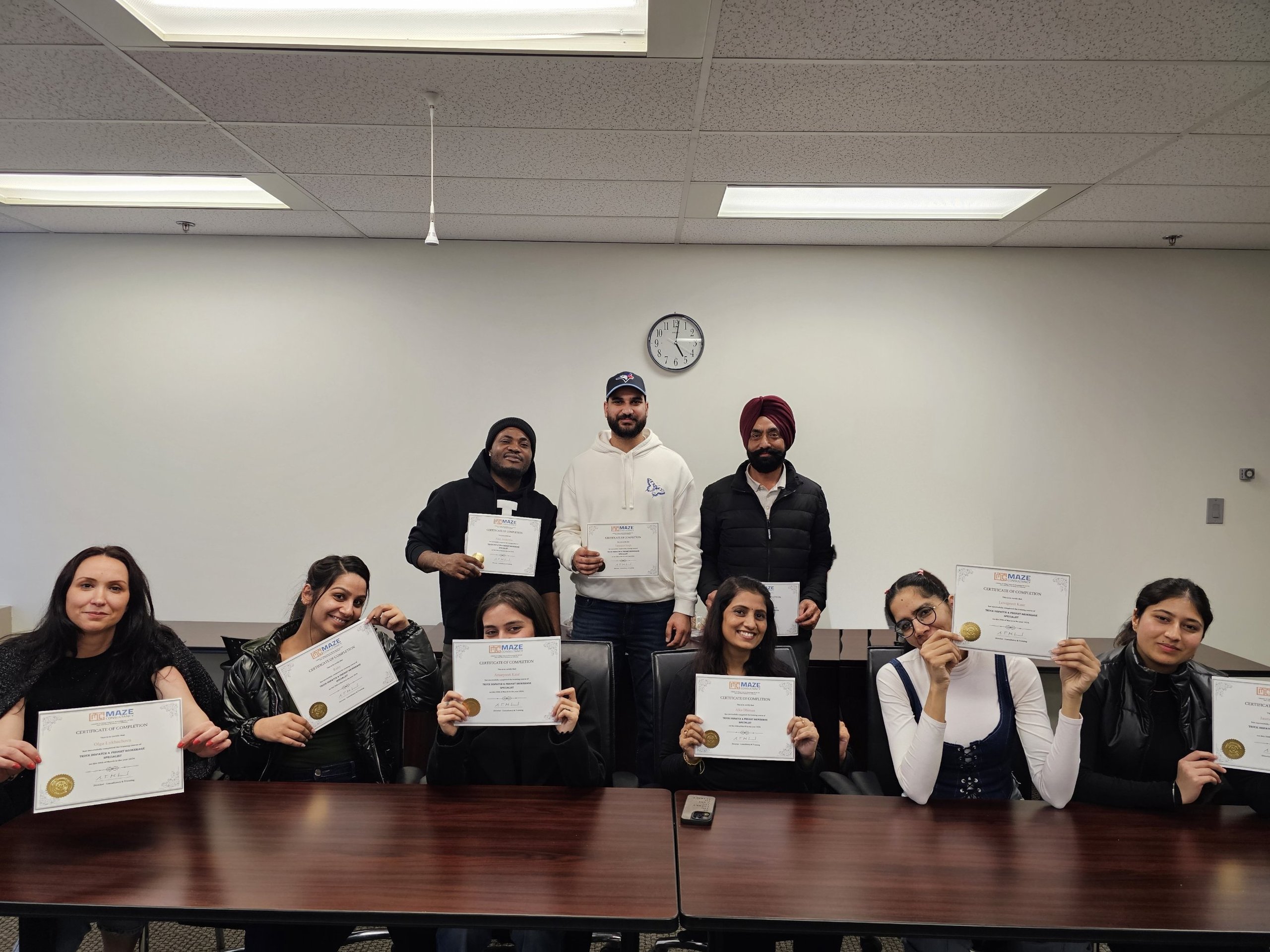
A completion certificate recognized by logistics employers in Canada and the USA.
FAQ
Freight Broker Training FAQs
Licensing, earnings, getting started and the course itself.
What does a freight broker do?
A freight broker arranges transportation for shippers by matching their loads with qualified carriers. The broker quotes the shipper, finds and vets a carrier, negotiates the carrier rate, sends the rate confirmation, tracks the load to delivery and handles the invoicing. The broker earns the margin between the shipper rate and the carrier rate, without owning any trucks.
How do freight brokers make money?
Brokers earn the difference between what the shipper pays and what the carrier is paid. For example, if a shipper pays $2,500 for a load and you pay the carrier $2,100, your gross margin is $400. Freight agents who work under a brokerage usually earn a commission, a share of that margin, on the loads they bring in.
How do I become a freight broker?
Learn how brokerage works and practise it on real tools, then choose your route. You can join a brokerage as a freight agent or carrier sales representative, or open your own brokerage with broker authority, a surety bond and insurance. This course covers both routes, and MAZE can file your permit and bond when you are ready.
Do I need a licence to be a freight broker in the USA?
To run your own brokerage arranging interstate freight in the USA, you need broker operating authority from the FMCSA (an MC number), a BOC-3 process agent filing, and a $75,000 surety bond or trust fund on file (form BMC-84 or BMC-85). If you work as a freight agent under an existing brokerage’s authority, you do not need your own.
Do I need a freight broker licence in Canada?
Canada has no single national freight broker licence, and requirements depend on the province. Even where no specific licence applies, you need a registered business, written agreements with shippers and carriers, suitable insurance and a reliable carrier-payment process. For cross-border loads, US broker authority rules also apply.
What is a BMC-84 freight broker bond?
The BMC-84 is the $75,000 surety bond US freight brokers file with the FMCSA. It protects shippers and carriers if a broker fails to pay. You usually pay a yearly premium to a surety company rather than the full $75,000; the premium depends on your credit and experience. The BMC-85 is the trust-fund alternative.
Do I need my own trucks to be a freight broker?
No. Freight brokers do not own or operate trucks. You contract qualified carriers to haul each load and manage the relationship, paperwork and payment. That is what makes brokerage a lower-cost business to start than a trucking company.
What is the difference between a freight broker and a freight agent?
A freight broker holds the broker authority and bond and is legally responsible for the loads. A freight agent works under a brokerage’s authority, finds shippers and books loads, and is paid a commission. Many people start as agents to build a book of shippers before opening their own brokerage.
What is the difference between a freight broker and a freight forwarder?
A freight broker arranges transport with carriers but never takes possession of the freight. A freight forwarder takes responsibility for the shipment, often consolidates cargo and may handle international air and ocean freight. The course explains where brokers, forwarders, 3PLs and dispatchers fit in the supply chain.
How do freight brokers find shippers?
Brokers find shippers through prospecting calls and emails, industry networking, referrals, and by specializing in lanes or equipment types. The course includes shipper prospecting, sales technique and mock calls so you can practise pitching and quoting before you speak to real customers.
How do brokers avoid carrier fraud and double brokering?
By vetting every carrier before booking: checking their operating authority, safety rating, insurance certificates and contact details, and watching for red flags such as last-minute changes or mismatched information. Day 3 of the course covers carrier vetting, onboarding and fraud prevention.
How long is the freight broker training course?
16 hours in total. Choose four 4-hour sessions online (Monday to Thursday, or over two weekends) or two 8-hour days in our classroom on a Saturday and Sunday. The same start dates are listed in the schedule on this page.
Is this the same as your Truck Dispatcher & Freight Broker course?
Freight broker training at MAZE is taught within our 16-hour Truck Dispatcher & Freight Broker Specialist program, so both run on the same schedule. You get the full freight brokerage curriculum on this page, and you also learn how dispatchers work, which helps you negotiate with carriers on every load.
How much does the freight broker course cost?
The fee depends on the course option you choose and any promotion running that month. Call +1-905-826-2919 or toll-free +1-888-315-6293 for current pricing on online and classroom classes.
Can I take freight broker training online?
Yes. The online course is a LIVE class with a trainer, not recorded videos. You work on the load board and brokerage software from your own computer and the trainer corrects you in real time. Online and classroom trainees receive the same certificate.
Where are your freight broker classes near me?
Classroom training runs at 55 Village Centre Place, Mississauga, Ontario, serving Toronto, Brampton, Oakville and the rest of the GTA, and at 1055 West 7th Street, Los Angeles. Anywhere else in Canada or the USA, you can join the LIVE online class.
Can I start my own freight brokerage after this course?
Yes. The course covers authority, bond, insurance, contracts and the day-to-day running of a brokerage. When you are ready, MAZE Consultancy can file your broker authority, BOC-3 and bond through our freight broker permit & bond service.
Can I get a job as a freight agent after the course?
Many graduates start as freight agents or carrier sales representatives at brokerages and 3PLs. The hands-on load board, quoting and software practice gives you real examples to talk about in interviews, and we provide job support after the course.
Do I get a certificate?
Yes. You receive a Freight Broker Specialist certificate of completion at the end of the training.
Ready to broker your first load?
Pick a start date, or call us to talk through training, broker authority and your bond.