Imported inventory does not always have a final destination when it reaches the border. A company may bring in a large shipment, release only part of it for domestic sale, and keep the rest available for later distribution or export.
Clearing the full shipment at once may require paying customs duties and taxes before the merchandise has produced any revenue.
A customs bonded warehouse gives an importer another option. Goods remain under customs control until they are released into the domestic market, transferred as authorized, or exported. That provides duty deferral while merchandise stays under bond and supports duty-free re-export when it leaves the country without entering domestic commerce.
Canada and the U.S. both use bonded warehousing for that purpose. Beyond that shared idea, the systems diverge quickly.
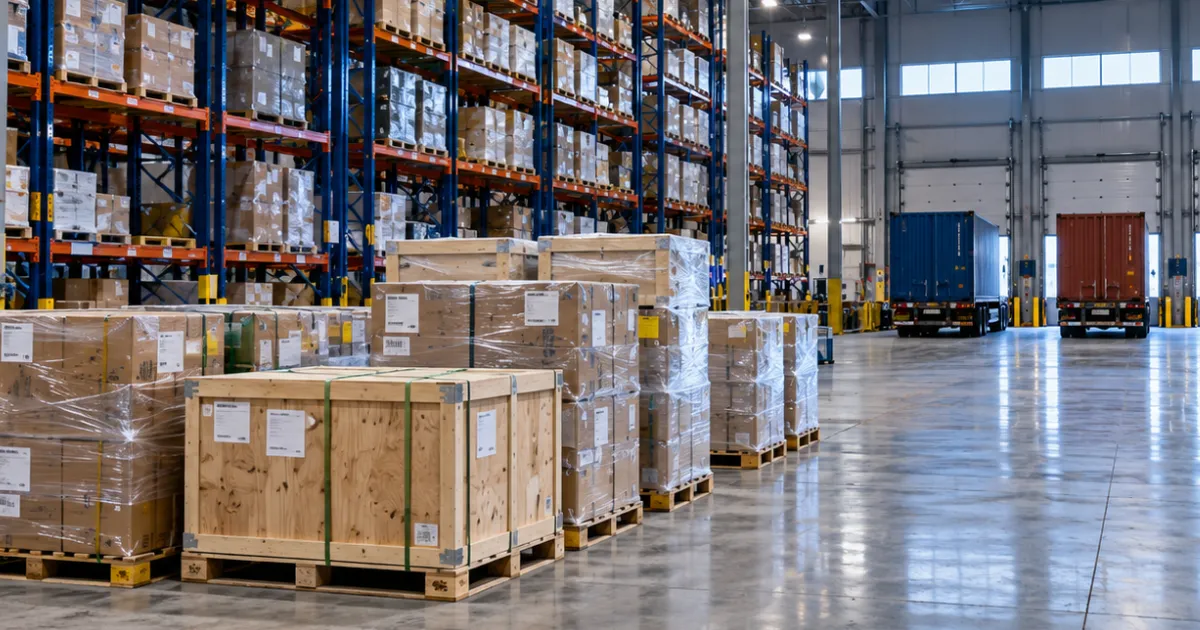
A customs bonded warehouse is a licensed facility used to hold imported merchandise before being cleared for domestic entry or exported.
The physical facility is only part of the arrangement. The key difference is the legal status of the goods inside.
Take an importer receiving 2,000 units before final demand is known. Eight hundred are cleared for local distribution. Another 500 remain in bonded storage until orders arrive, while the remaining 700 are exported. The importer has not avoided duties on merchandise that eventually enters the domestic market. Payment has simply been deferred until customs clearance.
The trade-off is control. Bonded warehouse operations have to account for merchandise that remains under bond, merchandise released into domestic commerce, and stock moved elsewhere under authorization. If the physical count and customs records do not match, the issue goes beyond a routine inventory discrepancy and becomes a compliance problem.
This setup tends to fit companies with recurring imports, uncertain domestic demand, re-export activity, or enough duty exposure for timing to affect cash flow.
Customs bonded warehouse requirements are country-specific. The biggest differences involve how the operation is categorized and how the operator must account for merchandise.
A customs bonded warehouse in Canada is licensed and regulated by the Canada Border Services Agency.
For an operator, one of the main challenges is traceability. CBSA guidance expects records to track controlled merchandise as it enters the warehouse, moves within the facility, undergoes permitted handling, transfers to another licensed location, or leaves. A system that only shows a starting balance and an ending balance does not provide that level of visibility.
Canada also distinguishes between public and private bonded warehouses. A private warehouse stores the operator’s own in-bond goods. A public facility can store merchandise imported by different importers. For many commercial goods, the bonded warehouse storage period is up to four years, although some categories follow different limits.
A U.S. customs bonded warehouse operates under U.S. Customs and Border Protection, but classification becomes a central consideration from the outset.
CBP recognizes eleven warehouse classes based on ownership and the type of operation performed. Class 2 covers an importer’s private bonded warehouse, for example, while Class 3 covers public bonded storage. Other classes are built around different uses. The intended operation therefore affects the authorization structure from the start.
That classification affects the customs bond, premises controls, recordkeeping requirements, and permitted handling activities. Merchandise can generally remain there for up to five years from importation.
A Canadian operation cannot simply be replicated in the United States. The business objective may be the same, but warehouse classification, bond obligations, inventory control, and operating limits differ between the two systems.
Preparing a bonded warehouse application starts before any forms are completed. First, the company has to decide whether the planned operation actually fits the program.
The operator needs a clear picture of what will enter the site and what happens next. Are the goods mainly held before domestic release, regularly re-exported, or split between the two? Import volume, control of the premises, expected duty exposure, and the amount likely to remain under bond all shape the application.
The harder test is often operational readiness.
Bonded warehouse inventory management has to separate merchandise still under government control from stock already released into domestic commerce. Receiving staff and personnel authorized to release goods need clearly defined roles. Customs documentation must also match the physical movement of the goods.
In Canada, the Canada Border Services Agency reviews the proposed site and recordkeeping system during the application process. A polished application will not compensate for a recordkeeping system that cannot show where controlled merchandise is located or how it moved.
A customs bond or other acceptable security protects the government if duties, taxes, or other amounts become payable and the operator does not meet its obligations.
There is no single bond amount that fits every warehouse. The structure depends on the country, the operation, and the financial exposure involved.
At MAZE Consultancy & Training, we assist businesses preparing bonded warehouse applications in Canada and the U.S. We help clients understand the requirements, organize supporting information, prepare compliance procedures, and address bond-related considerations before submission. Final approval is issued by the relevant government authority.
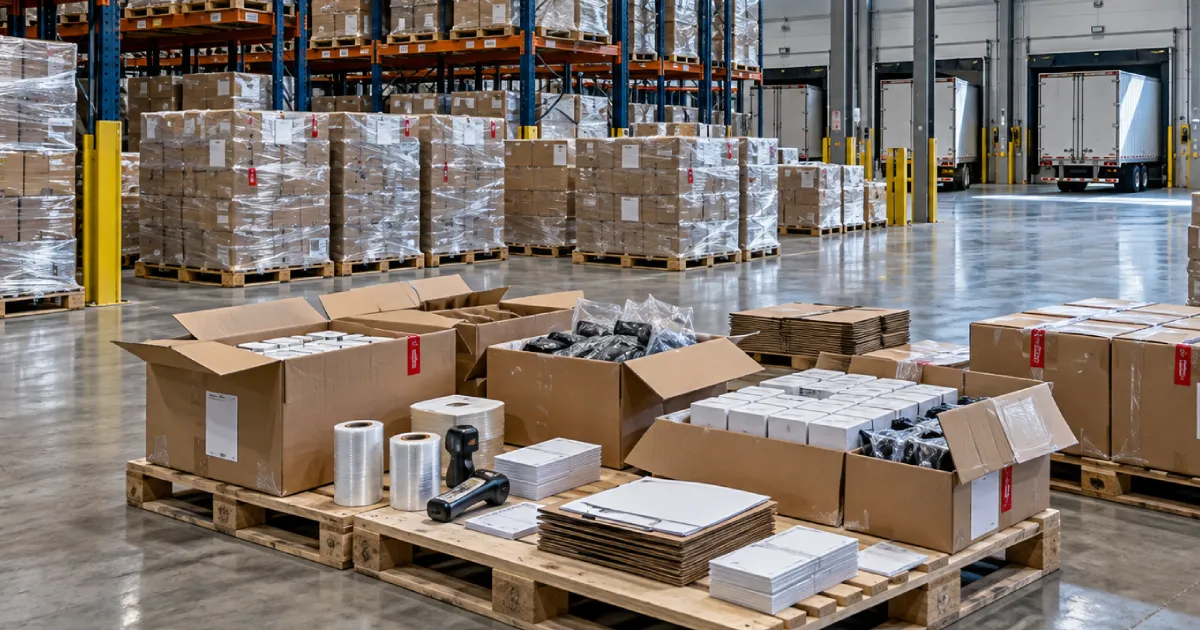
What happens inside the warehouse depends on the authorization attached to the operation and the merchandise itself.
In Canada, goods under bond may be inspected, relabeled, repacked, sorted, or handled in other limited ways. Manufacturing falls outside the Customs Bonded Warehouse Program.
The difficult part is often not understanding the rule itself, but determining when routine warehouse work crosses into a regulated activity.
Consider a shipment with damaged outer cartons. Staff may open several cases, remove unusable units, replace labels, and prepare the rest for export. Each change affects the physical count and, potentially, the customs record. If the warehouse system still shows the shipment exactly as received, reconciliation later becomes much harder.
Small gaps tend to build quietly. A single discrepancy rarely creates an obvious problem on the day it occurs.
Once goods leave the facility, their customs status changes depending on how they are moved or released.
In Canada’s CARM system, a Customs Accounting Declaration for goods released for domestic consumption is different from one used when bonded merchandise is removed for export. Not every warehouse employee needs to memorize each declaration type, but the internal process must route each transaction correctly to the person responsible for customs reporting.
Some merchandise is released into the Canadian market, at which point duties and taxes become payable. Other stock moves under another authorized arrangement or leaves the country without domestic entry.
The right structure depends on what the company plans to store, whose merchandise will use the facility, and how much handling will occur before the goods leave customs control. Those questions lead to different answers in Canada and the U.S.
Canada distinguishes between private facilities used for an operator’s own imported merchandise and public facilities that provide bonded storage for other importers.
The distinction affects more than ownership. A company holding its own seasonal inventory is running a different operation from a warehouse receiving bonded freight for several clients, with different demands on records, access, and day-to-day control.
U.S. Customs and Border Protection uses a broader class system, so the Canadian model does not transfer neatly across the border.
The comparison between a bonded warehouse and an FTZ becomes more relevant when the company expects to do more with merchandise than hold, move, or release it.
A U.S. Foreign-Trade Zone operates under a separate regulatory framework and allows approved manufacturing, assembly, and processing activities. Merchandise also does not follow the same five-year storage limit applied to a U.S. customs warehouse.
For a distributor holding finished imports until domestic release or export, bonded warehousing often fits the operating model. A manufacturer bringing foreign components into production has a different operating model and may need to evaluate an FTZ instead.
We help clients review their planned warehouse operations before submitting a bonded warehouse application, with a focus on how goods will be handled, recorded, and moved. This helps identify potential compliance gaps early.
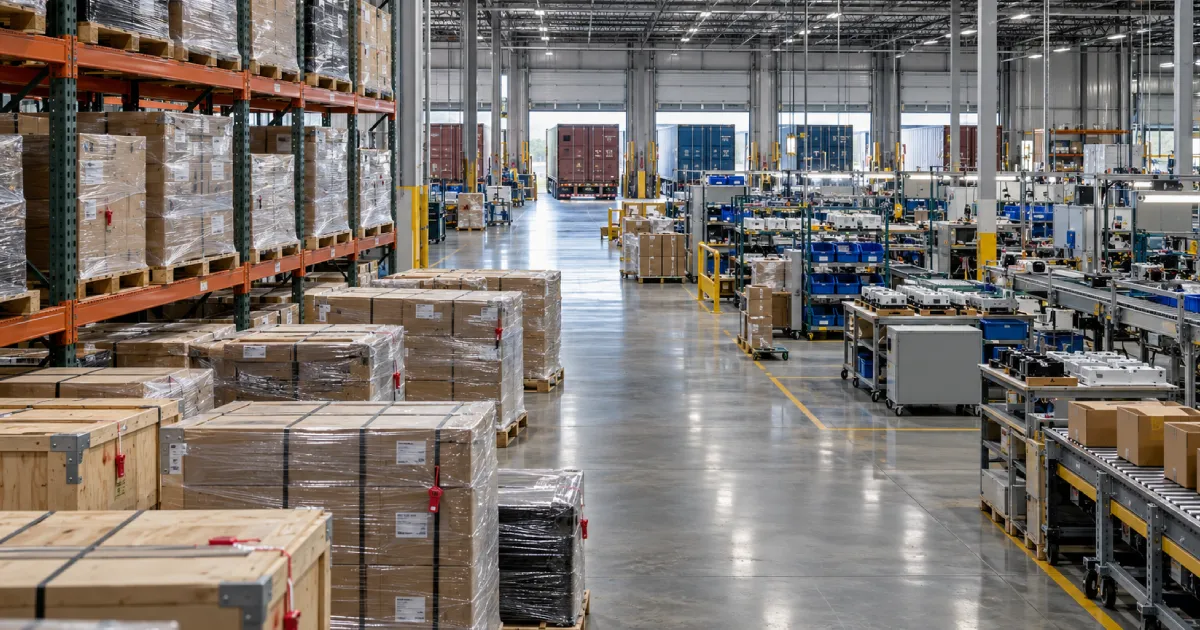
A bonded warehouse gives an importer time between arrival and domestic release. Instead of clearing the entire shipment immediately, the company can hold merchandise under customs control and release quantities as needed. This can reduce the amount of duties and taxes paid upfront when part of the shipment will be exported later. Companies that regularly import goods with uncertain demand use this structure to manage inventory and cash flow more effectively.
Applicable import duties generally become payable when merchandise leaves bonded status and enters the domestic market. Simply placing goods in storage does not erase the duty obligation. It postpones payment until the authorized release takes place. If merchandise is exported without entering domestic commerce, it may leave without the domestic duty becoming payable. The exact treatment depends on the country, product, and applicable bonded warehouse regulations.
The main difference is customs status. Non-bonded warehouses hold merchandise that has already entered domestic commerce or is no longer under customs control. A bonded facility must account for controlled merchandise separately and maintain records showing receipt, handling, movement, and release. Domestic goods may sometimes share the same site, but the operator still has to keep their status identifiable. These additional controls distinguish bonded storage from ordinary commercial warehousing.
Before using or applying for a bonded facility, the company should understand what merchandise will enter the facility, how much will remain under bond, and where it is expected to go next. The warehouse system must support accurate inventory control, authorized releases, recordkeeping, and customs reporting. Staff responsibilities also need to match the actual movement of merchandise. A company planning to import regularly should resolve those operating questions before the first bonded shipment reaches the site.
The allowed period depends on the country and the program. In Canada, many commercial goods may remain in a customs bonded warehouse for up to four years, although some categories follow different limits. In the U.S., merchandise generally has a five-year limit from importation. Operators therefore need to track more than quantity and location. Time under bond is also part of inventory control, especially when shipments remain in bonded storage for extended periods.